
HT13. Pregnant woman d!es in surgery because of… See more
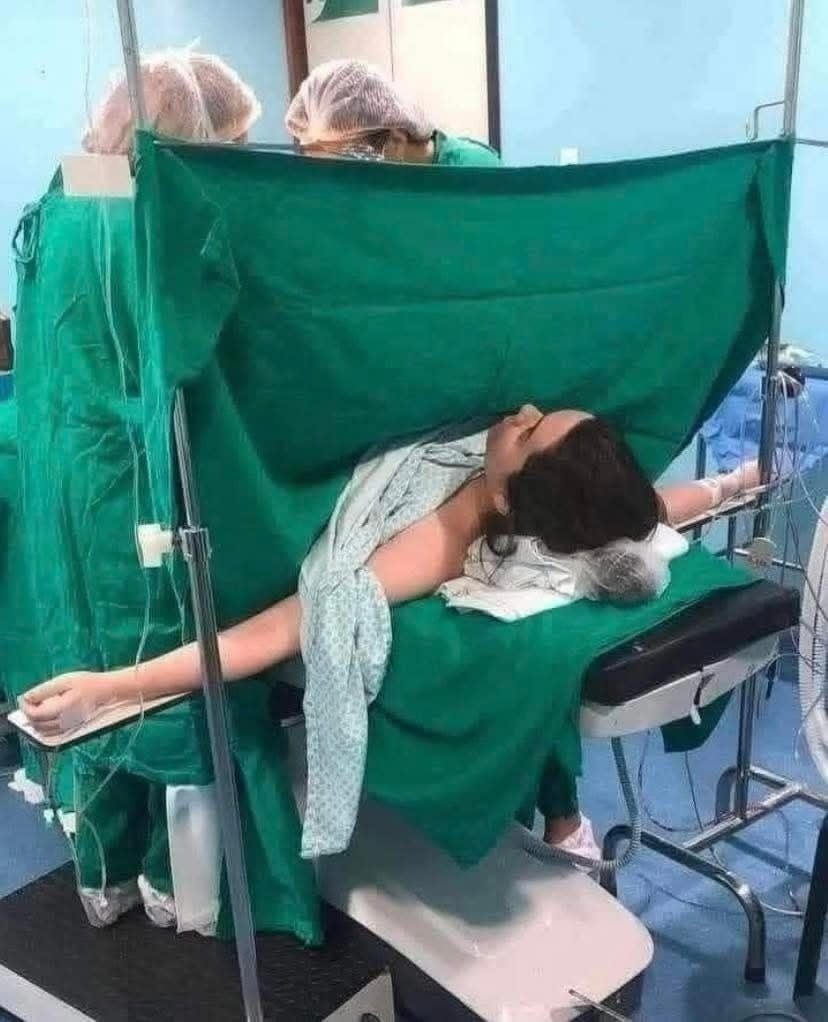
A Tragedy That Demands Answers: When Medical Emergencies Turn Fatal
The Incident
A hospital in the metropolitan area finds itself at the center of a heartbreaking situation after a twenty-nine-year-old expectant mother passed away during an emergency surgical procedure earlier this week. The young woman, whose identity has been withheld to protect her family’s privacy, was admitted to the medical facility after experiencing severe complications during the late stages of her pregnancy.
According to hospital officials, medical staff acted quickly upon her arrival, recognizing the urgent nature of her condition. The attending physicians made the decision to proceed with emergency surgery in an effort to safeguard both the mother and her unborn child. However, despite the medical team’s efforts, the situation escalated beyond what they had anticipated, ultimately resulting in the devastating loss of the young woman’s life.
The tragedy has left her family searching for answers and a community questioning what went wrong during what should have been a moment of joy and new life.
A Healthy Pregnancy Gone Wrong
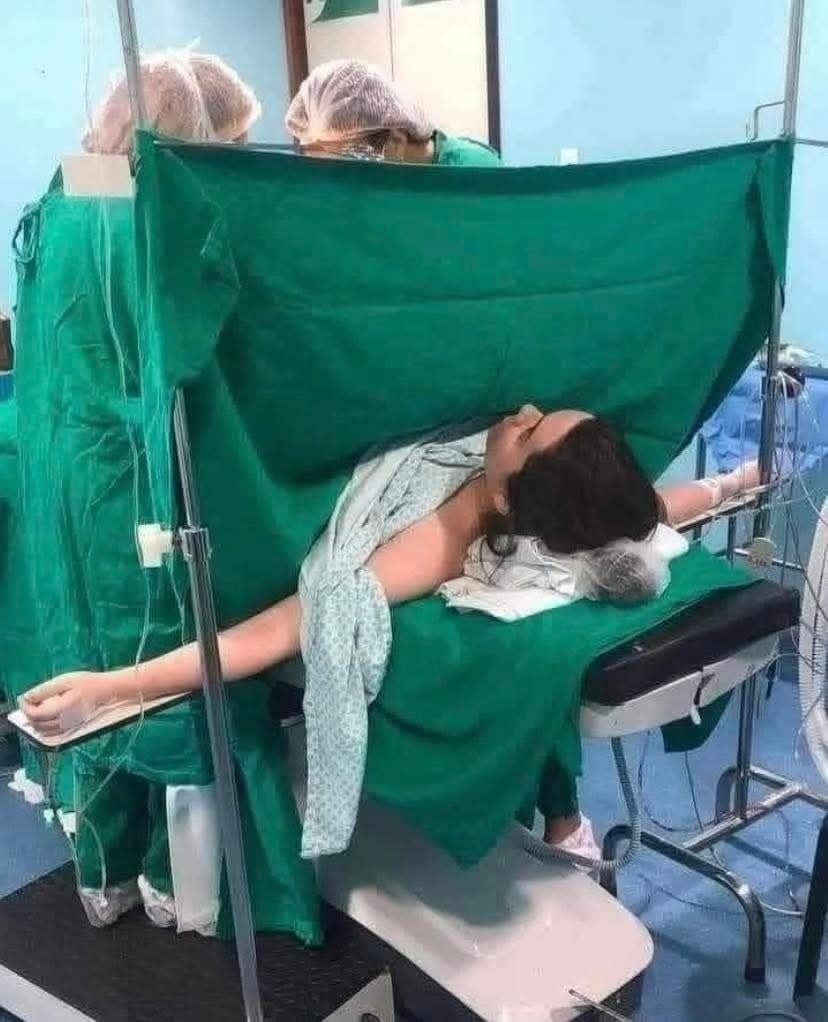
What makes this case particularly troubling is that, according to family members, the expectant mother had experienced a relatively healthy pregnancy up until the fatal complications arose. Relatives report that she had been diligent about her prenatal care, attending all scheduled medical appointments and following her healthcare provider’s guidance throughout her pregnancy journey.
Her loved ones described her as excited and prepared for motherhood. She had taken all the recommended precautions, maintained regular contact with her medical team, and showed no signs of serious health concerns during routine examinations. This makes her sudden decline all the more shocking and difficult for her family to comprehend.
“She did everything right,” said one family member who requested anonymity. “She went to every appointment, took her vitamins, followed all the advice. We never imagined something like this could happen. One day she seemed fine, and then suddenly we received the call that changed our lives forever.”
The family’s grief is compounded by confusion. They struggle to understand how someone who appeared healthy and was receiving regular medical supervision could deteriorate so rapidly. These questions have fueled their demand for a thorough investigation into the circumstances surrounding her passing.
Family Demands Transparency
In the days following the tragedy, the woman’s relatives have become increasingly vocal about their need for answers. They report feeling that they were not adequately informed about what transpired during the surgical procedure or in the critical moments leading up to their loved one’s passing.
Family members state that communication from the hospital was limited and that they received minimal information about the specific complications that arose during surgery. They question whether all appropriate measures were taken, whether the medical team recognized warning signs early enough, and whether different decisions might have resulted in a different outcome.
“We deserve to know what happened,” another relative stated. “We’re not doctors, but we need someone to explain to us in clear terms what went wrong. Did they miss something? Was there a delay in treatment? Could this have been prevented? These are questions that keep us awake at night.”
The family has indicated that while they understand medical procedures carry inherent risks, they believe they have a right to comprehensive information about the events that led to their loved one’s death. They’ve requested detailed documentation of her medical treatment, the timeline of events, and the specific complications that proved fatal.
Beyond seeking answers for their own peace of mind, the family has expressed hope that understanding what happened might prevent similar tragedies from affecting other families in the future.
Hospital Response

The medical facility released a formal statement acknowledging the tragic outcome and extending condolences to the bereaved family. Hospital administrators emphasized that losing a patient is always deeply felt by the entire medical staff, particularly in cases involving expectant mothers where the emotional weight is especially heavy.
In their statement, hospital representatives indicated that the surgical team followed all established medical protocols and standard procedures during the emergency intervention. They noted that the physicians involved are experienced professionals who made decisions based on their training and the information available to them at the time.
However, the hospital also acknowledged that despite following standard procedures, unforeseen internal complications developed during the surgery. These complications, according to the statement, escalated rapidly and ultimately led to the fatal outcome despite the medical team’s best efforts to stabilize the patient.
The hospital has announced that an internal review process has been initiated to examine every aspect of the case. This review will involve a thorough analysis of the patient’s medical history, the timeline of her care, the decisions made during the emergency, and the response to complications as they arose.
Additionally, hospital administrators confirmed that they are cooperating fully with local health authorities, who have requested complete documentation related to the case. This external oversight will provide an independent assessment of whether all appropriate actions were taken and whether any errors, oversights, or delays occurred.
While the hospital maintains that its staff acted appropriately given the circumstances, officials stated they remain committed to transparency and to learning from every adverse outcome to improve future patient care.
The Review Process

The internal review being conducted by the hospital typically involves several components. A committee of medical professionals not directly involved in the case will examine all relevant records, including the patient’s prenatal care history, her condition upon admission, the decision-making process regarding surgery, and the management of complications as they developed.
This committee will assess whether the medical team followed established guidelines for emergency obstetric care, whether appropriate consultations occurred, whether necessary equipment and resources were available and properly utilized, and whether communication among team members was adequate.
The external review requested by health authorities will provide additional oversight. Independent medical experts may be brought in to evaluate the case from an objective perspective, determining whether the standard of care met accepted medical norms and whether any alternative approaches might have been considered.
These review processes can take several weeks or even months to complete, as investigators work to piece together a comprehensive timeline and assess numerous medical decisions. The findings will ultimately determine whether the hospital’s handling of the emergency met professional standards or whether improvements are needed.
Community Response
News of the tragedy has resonated throughout the community, sparking conversations about maternal healthcare, emergency medical response, and hospital accountability. Community members have gathered outside the medical facility in a show of support for the grieving family, many carrying signs calling for improved transparency in maternal care.
Local advocacy groups focused on maternal health have seized upon the incident as an example of why enhanced oversight and better communication protocols are needed in obstetric care. They point out that while most pregnancies and deliveries proceed without serious complications, the systems must be in place to handle emergencies effectively when they do arise.
“Every expectant mother deserves to feel confident that if something goes wrong, the medical system will respond swiftly and appropriately,” said a representative from a local maternal health organization. “When tragedies like this occur, it’s essential that we examine what happened, learn from it, and implement changes to protect future patients.”
Community leaders have called for the hospital to be forthcoming with information once the investigation concludes, arguing that public transparency serves the broader goal of improving healthcare quality and rebuilding trust between medical institutions and the communities they serve.
Broader Context: Maternal Healthcare Challenges
This tragic case highlights ongoing concerns about maternal healthcare outcomes. While medical advances have made pregnancy and childbirth significantly safer than in previous generations, complications still arise, and not all have favorable outcomes.
Medical professionals note that pregnancy complications can develop suddenly, even in patients who have had healthy pregnancies up to that point. Conditions such as hemorrhaging, embolisms, infections, and other serious medical emergencies can emerge with little warning and escalate rapidly despite immediate intervention.
Healthcare systems face the challenge of maintaining readiness for these rare but critical emergencies while managing the vast majority of routine births that proceed normally. This requires having appropriately trained staff available around the clock, maintaining specialized equipment, and ensuring rapid response protocols are in place.
However, not all medical facilities have equal resources or capabilities. Rural hospitals, understaffed facilities, and those serving economically disadvantaged communities may face particular challenges in providing optimal emergency obstetric care. These disparities contribute to variations in maternal health outcomes across different regions and populations.
Advocates argue that addressing these systemic issues requires investment in healthcare infrastructure, ongoing training for medical personnel, implementation of evidence-based safety protocols, and commitment to continuous quality improvement.
The Importance of Communication
One aspect of this case that has received particular attention is the communication between the medical team and the patient’s family. Effective communication during medical emergencies is crucial, yet it can be extremely challenging when events are unfolding rapidly and medical personnel are focused on immediate patient care.
Family members need timely, clear, and compassionate communication about their loved one’s condition, the treatments being provided, and the risks involved. However, delivering this information during chaotic emergency situations requires skill and often falls to staff members who are simultaneously managing multiple urgent responsibilities.
After an adverse outcome, communication becomes even more critical. Families deserve thorough explanations of what occurred, delivered with empathy and respect. This transparency, while difficult, serves multiple purposes: it helps families process their grief, it demonstrates accountability, and it can identify opportunities for systemic improvements.
Medical institutions increasingly recognize that inadequate communication after adverse events can compound families’ suffering and erode public trust. Progressive healthcare organizations have implemented structured communication protocols for these situations, ensuring that families receive comprehensive information while also protecting the integrity of any ongoing reviews or investigations.
Moving Forward
As the investigation into this tragedy continues, the young woman’s family faces the difficult task of grieving while seeking answers. They have expressed hope that the review process will provide clarity about what happened and whether changes need to be implemented to prevent similar outcomes in the future.
The family has indicated they plan to honor their loved one’s memory by advocating for improved maternal healthcare protocols and greater transparency in medical care. They hope that sharing their story might raise awareness about the importance of emergency preparedness in obstetric care and encourage other families to ask questions and advocate for themselves in medical settings.
For the hospital, the case represents an opportunity to examine its procedures, identify any weaknesses, and strengthen its systems. Regardless of whether the review identifies specific errors, the tragedy underscores the high stakes of emergency obstetric care and the need for continuous vigilance and improvement.
The broader community will be watching closely as the investigation unfolds, hoping for answers that might prevent future tragedies and restore confidence in the local healthcare system.
Conclusion
The loss of a young expectant mother during what should have been a joyful time represents a profound tragedy that affects not only her immediate family but the entire community. While the investigation into what went wrong continues, the case raises important questions about emergency medical care, hospital accountability, and communication with families during and after medical crises.
As health authorities and hospital administrators work to piece together what happened, the family’s call for transparency resonates with a public that expects and deserves accountability from medical institutions. Whatever the investigation reveals, this tragedy serves as a sobering reminder of the critical importance of high-quality maternal healthcare and the need for systems that can effectively respond when emergencies arise.
The young woman’s memory will be honored not only through the grief of those who loved her but also through the conversations and potential improvements her tragic passing may inspire. If her story leads to enhanced protocols, better communication, or even one life saved in the future, it will represent a meaningful legacy born from heartbreak.
For now, a family mourns, a community seeks answers, and a hospital faces the difficult task of examining what went wrong and how to do better. The hope is that from this tragedy will emerge lessons that strengthen maternal healthcare and prevent other families from experiencing similar loss.